
**This report, **, indicates that from 9 to 10, China's used car industry has continued advancing along the core path of standardized circulation and compliant overseas expansion. Trade in used cars to Russia has undergone structural adjustments: while Chinese vehicles maintain a stable share of Russia's used car imports, monthly import volumes have declined due to local tax policies and shifting competition. The industry is transitioning from rapid volume growth to refined operations. Domestically, in 9, Yantai hosted the Used Car Export Development Conference, becoming the sector's key event over the past two months. The conference clarified that with the 180-year age cap policy fully implemented, domestic used car exports have completely moved away from the "sub-new vehicle arbitrage under 0 kilometers" model. Vehicles aged **–5 years are now the primary export inventory, shifting industry focus toward transparent vehicle conditions, after-sales support, and localized overseas service capabilities (CNR). Association data shows that between 1 and 8, approximately 45 thousand used cars were exported domestically, with 7.5 thousand going to Russia—a near doubling year-over-year. Russia remains China's top overseas destination for used cars (Sina Finance). Customs clearance and declaration regulations continue tightening. In 9, the General Administration of Customs released guidelines for used car export declarations, strengthening document consistency checks for VINs, models, battery information, and inspection reports. Errors in VIN characters or mismatches between the vehicle model and its announcement will directly cause customs clearance failures both domestically and abroad. This raises requirements for exporters' vehicle inspection and record verification capabilities, representing a high-risk area where recent export businesses frequently encounter issues (PRC...). In 10, the industry closely discussed tax refund policies...
Press ReleaseEntering 9–10, China's used car industry continues to move alongStandardize circulation, comply with cross-border expansionKey developments: Russia's used car trade is undergoing structural adjustments. Chinese vehicle sources have maintained a stable share of Russia's used car imports, while monthly import volumes have declined due to changes in Russian local taxes and competitive dynamics. The industry is shifting from rapid volume growth to refined operations.
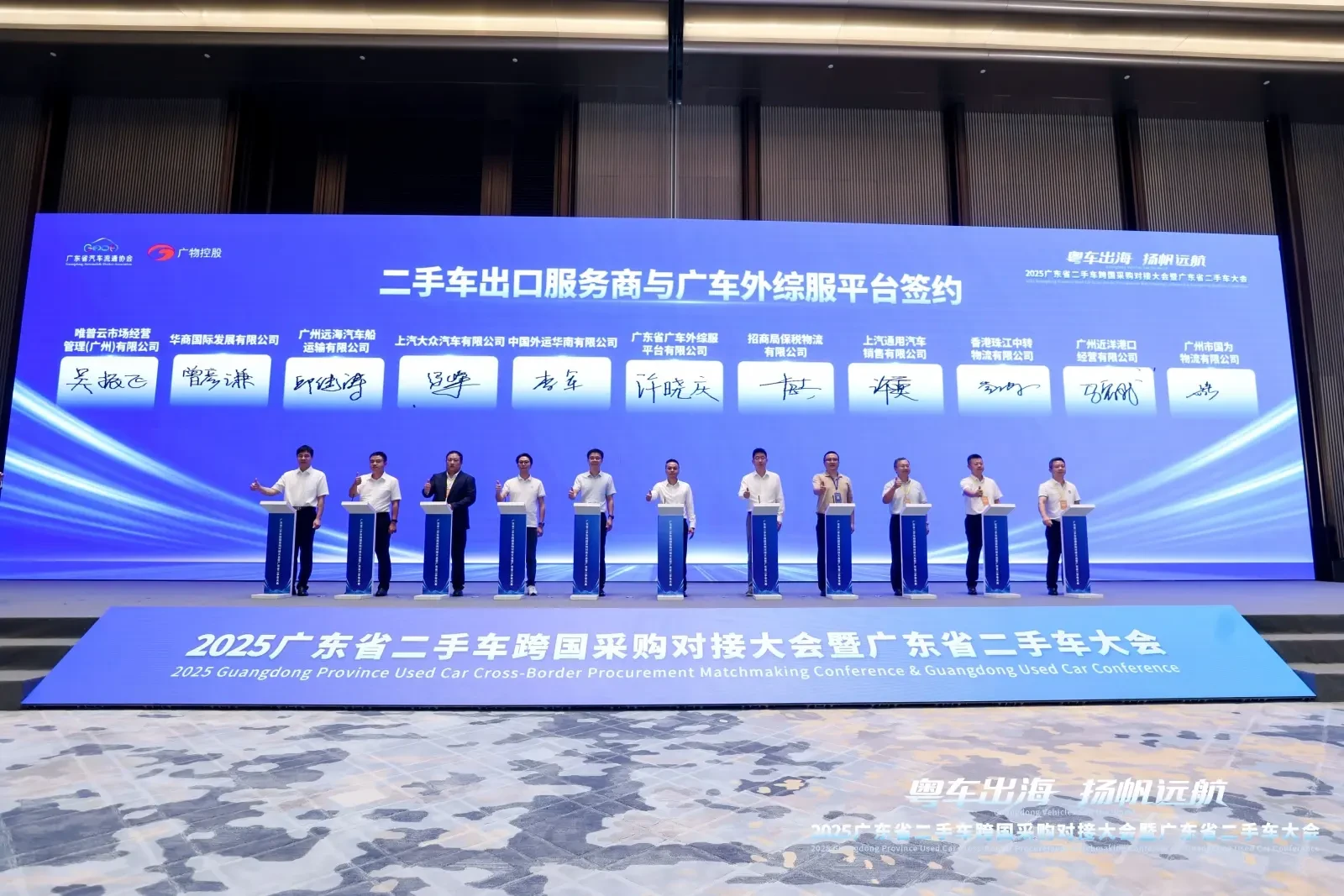
In China, the 2026 Used Car Export Development Conference was held in Yantai in 9, becoming a key industry event over the past two months. The conference confirmed that after the implementation of the 180-day vehicle age cap policy, domestic used car exports have completely moved away from the "0-kilometer quasi-new car arbitrage" model.Real used cars from 3–5 years have become the main force in exports.The industry focus has shifted toward vehicle condition transparency, after-sales support, and the development of localized overseas service capabilities. According to data from the Circulation Association, domestic used car exports reached approximately 45 thousand units between 1 and 8, with 7.5 thousand units exported to Russia—a near doubling year-over-year. Russia remains China's top overseas destination for used cars, per Sina Finance.
Regulatory oversight on clearance and declaration continues to tighten. In 9, the General Administration of Customs issued guidance for used vehicle export declarations, strengthening document consistency checks for VINs, vehicle models, battery information, and inspection reports. Errors in VIN characters or mismatches between the model and official announcements will directly lead to failures in customs declaration and overseas clearance. This places higher demands on exporters' vehicle inspection and record verification capabilities, making it a high-risk area where recent export businesses frequently encounter pitfalls. People's Republic of Chi...
In 10, the industry widely discussed adjustments to tax refund policies. The refund rate for new energy vehicles, based on their product codes, has been reduced; this rule also applies to used new energy vehicles, directly compressing export companies' profit margins. Industry estimates show that for a used electric vehicle with an FOB price of 15 million, the tax refund per unit drops by nearly 6000 yuan, forcing companies to optimize product selection, control procurement costs, and reduce the export of low-margin vehicles. Instead, they are shifting focus toward high-quality family cars with stable conditions and higher premiums, according to China National Radio.
At the domestic circulation market level, national unified standards for used car transactions continue to take shape. In 9–10, multiple local market regulation authorities intensified spot checks, focusing on compliance with unified contracts, one-vehicle-one-code traceability, third-party inspection filing, and warranty fulfillment. Cases of fraud such as concealed accident history and odometer tampering are being handled with "return one, compensate three" penalties. Meanwhile, pilot reforms in 40 cities are advancing online paperless transfers, steadily improving cross-regional circulation efficiency.